Indivisible: A Vibrant, Flawed Tapestry of Combat and Culture
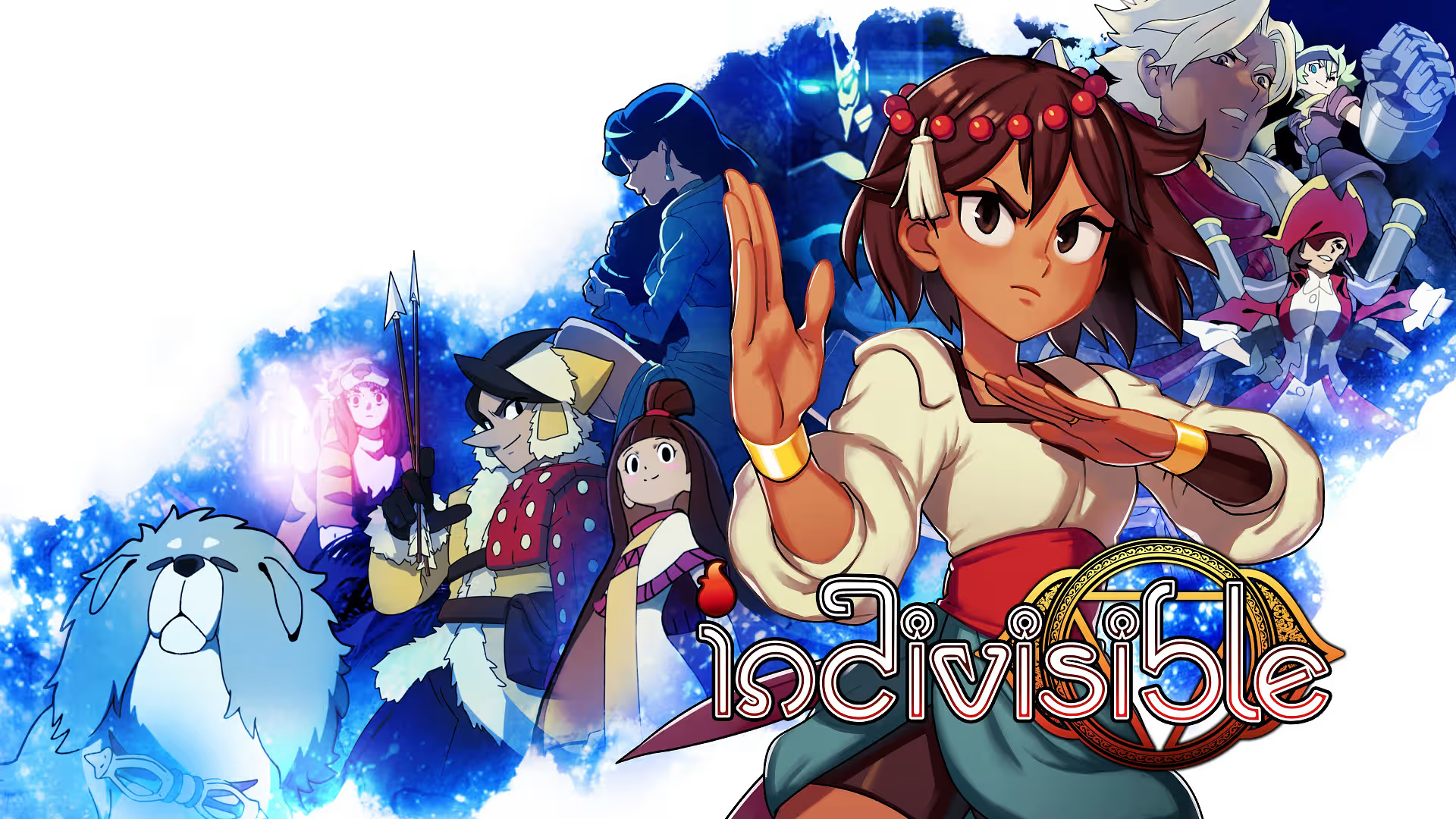
Indivisible is a hand-drawn, crowd-funded hybrid that dares to blend the DNA of a Metroidvania with the rhythmic soul of a Turn-Based RPG. Developed by Lab Zero Games (the creative minds behind Skullgirls) and published by 505 Games, it immediately catches the eye with an aesthetic reminiscent of Bastion, yet it carves out its own cultural identity through its diverse world-building.
Gameplay: The Dance of Iddhi
The heart of Indivisible lies in its dual nature. While exploring, you’ll find yourself in classic platforming sections that require precise use of unlocking abilities to progress. However, the game truly shines—and occasionally stumbles—in its combat.
Each of your four active party members is mapped to a specific button. Battles aren’t just about selecting commands; they are about timing and synergy. You must juggle enemies, break their guards with high/low attacks, and master the “Perfect Block” to mitigate massive damage or even recover 1HP. All of this feeds into your Iddhi (Chi) meter. As this energy accumulates, it unlocks higher-tier abilities and devastating ultimate attacks that can turn the tide of battle.
Soundscapes and Immersion
The audio team deserves immense credit. The game is almost entirely voice-acted, which adds significant weight to the characters. But the real star is the soundtrack. With over 70 original tracks, the music is expertly tailored to each biome. The title theme, “Eulogia,” is a standout piece that perfectly captures the emotional stakes of Ajna’s journey. The sheer volume of music is so vast that you might find yourself seeking it out on Spotify just to appreciate the melodies that get lost in the heat of battle.
The Burden of Abundance: Characters and Progression
Indivisible boasts a staggering roster of 25 playable characters, all beautifully animated. However, this “insane amount” of allies is a double-edged sword. Since you can only take three companions into battle with Ajna, you will likely find a “dream team” early on and stick with them. With over 100 skins available but no gameplay incentive to swap heroes, the vast majority of the roster feels like an “absolute waste of time”—a collection of missed opportunities rather than meaningful choices.
Furthermore, the game lacks traditional RPG elements like shops or currency. While this fits Ajna’s lore-friendly disdain for money, it leaves a void where gear and skill customization should be. Instead of buying a new sword, you hunt for collectibles to boost raw stats, which feels significantly less rewarding.
The Challenge: A Map Without a Compass
As the story progresses, the difficulty spikes considerably, especially within the platforming segments. The game doesn’t offer a traditional difficulty selector; instead, it challenges you to find secret bosses and master its complex defense-breaking mechanics.
The most frustrating aspect, however, is the navigation. Indivisible often fails to provide clear direction. Whether it’s backtracking through unnecessarily large stages or trying to figure out which of the three major cities holds the next gadget, you will get lost. I found myself quitting in frustration more than once after realizing I had spent hours exploring everywhere except the one specific spot the plot required.
Pros & Cons
- Pros:
- Stunning Visuals: Top-tier hand-drawn animations and diverse character designs.
- Exceptional Audio: A massive, emotive soundtrack and great voice acting.
- Seamless Experience: Virtually no loading screens, keeping the flow steady.
- Deep Combat: A rewarding system that favors skill and timing over button-mashing.
- Cons:
- Pacing Issues: The narrative interest wanes significantly in the latter half.
- Bloated Roster: Too many characters with too little reason to use them.
- Navigational Frustration: Large stages and vague objectives lead to tedious backtracking.
- Lack of RPG Depth: No shops, weapons, or meaningful equipment systems.
Final Verdict: 7.5 / 10
The first few hours of Indivisible are a breath of fresh air, offering a high-quality, unique experience. However, the lack of a “New Game+” mode, the tediousness of constant guard-breaking, and the confusing quest directions hold it back from greatness.
Recommendation: If you are a die-hard fan of Metroidvanias or the art style of Skullgirls, this is a journey worth taking. However, I would recommend picking it up at a 20% discount. It is a beautiful, ambitious experiment that is definitely worth experiencing, even if it occasionally loses its way.